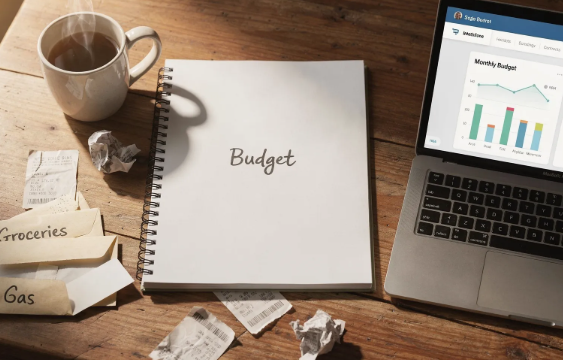
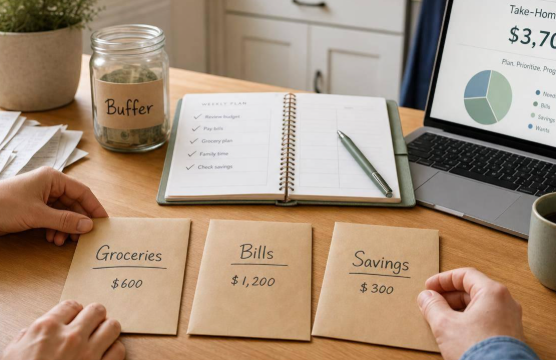
Creating a budget can sound like a complicated financial task, but it does not have to be.
A useful budget is simply a plan for how you want to use your money.
It can help you understand where your income goes, prepare for upcoming expenses, and make progress toward your financial goals without making everyday life feel unnecessarily restrictive.
The key to building a budget that actually works is creating one that fits your real lifestyle. A plan that looks perfect on paper but is difficult to follow in everyday life will probably not last. Instead, your budget should be realistic, flexible, and easy enough to review regularly.
Start by Understanding Your Income
The first step in creating a practical budget is knowing how much money you have available each month. If you receive a regular salary, this may be relatively straightforward. If your income changes from month to month because of freelance work, commissions, seasonal employment, or other sources, consider using a conservative estimate based on your typical income.
Focus on the money you actually receive after taxes and other automatic deductions. This gives you a clearer picture of what is available for household expenses, savings, transportation, food, entertainment, and other priorities.
If your income varies significantly, you can build your regular budget around a lower expected income and treat unusually strong months as opportunities to increase savings, prepare for future expenses, or handle larger planned purchases.
Track Where Your Money Goes
Before deciding how much you should spend in each category, spend some time observing your current financial habits. Look at recent bank statements, receipts, bills, and payment records. The goal is not to criticize your spending. Instead, you are trying to understand your financial patterns.
Separate regular expenses from occasional ones. Housing, utilities, transportation, groceries, insurance, and subscriptions may appear regularly. Other costs, such as gifts, repairs, travel, school expenses, or annual fees, may happen less frequently.
Small purchases can also become important when they happen repeatedly. A few inexpensive purchases may not seem significant individually, but their combined monthly cost can be worth understanding.
Once you can see where your money is going, you can make decisions based on real information rather than assumptions.
Separate Needs, Wants, and Goals
A practical budget should make room for necessities while also recognizing that enjoying your money is part of a healthy financial life.
Needs generally include essential expenses such as housing, basic food, utilities, transportation, and required payments. Wants may include dining out, entertainment, hobbies, shopping, and other optional spending. Financial goals can include building savings, preparing for large purchases, paying down debt, or creating a reserve for unexpected expenses.
The purpose of this separation is not to eliminate everything that is enjoyable. It is to make your priorities visible. When you understand what matters most to you, it becomes easier to decide which expenses deserve more attention and which ones can be adjusted.
Give Every Part of Your Income a Purpose
One of the simplest ways to make a budget useful is to give your money specific jobs before the month gets too far underway.
For example, your income might need to cover essential household costs, everyday spending, savings, financial obligations, and personal goals. The exact proportions will depend on your circumstances.
Instead of copying a budgeting formula from someone else, start with your own numbers. If housing costs are high in your area, you may need to allocate more toward housing. If transportation is inexpensive, you may have more flexibility elsewhere.
A good budget reflects your situation rather than forcing your life into a predetermined formula.
Remember Irregular Expenses
One common budgeting mistake is planning only for monthly bills. Many important expenses occur occasionally, but they still need to be paid.
Think about annual insurance payments, vehicle maintenance, school-related costs, holidays, birthdays, home repairs, technology replacements, or planned trips. If you wait until these expenses arrive, they can put unexpected pressure on your monthly finances.
Instead, estimate the yearly cost of an irregular expense and divide it into smaller monthly amounts. Setting aside a little money regularly can make these expenses easier to manage when they eventually arrive.
This approach can also reduce the feeling that every unexpected bill is a financial emergency.
Build Savings Into the Budget
Savings should not necessarily be whatever happens to remain at the end of the month. For many people, it works better to treat savings as one of the planned uses of income.
Even a modest amount can help create a financial cushion over time. You might have separate goals for short-term needs and longer-term objectives. A short-term savings fund can help with upcoming purchases or unexpected expenses, while longer-term savings can support larger future plans.
The important part is consistency. A manageable amount saved regularly may be more sustainable than setting an ambitious target that becomes difficult to maintain.
Make Room for Flexibility
Life rarely follows a perfect monthly plan. Prices change, unexpected expenses appear, and social or family commitments can affect spending.
For this reason, your budget should include some flexibility. You do not need to predict every expense with perfect accuracy. Instead, leave some room for changes and review your plan when circumstances change.
If you spend more than expected in one category, you can look at whether another category has room to adjust. This does not mean your budget has failed. It means your budget is doing what it should: helping you make informed choices.
Review Your Budget Regularly
A budget becomes much more effective when you review it consistently. You might spend a few minutes each week checking your spending and then conduct a more detailed review at the end of each month.
Ask yourself what worked, what was difficult, and whether your spending matched your priorities. If one category consistently costs more than expected, adjust the budget rather than repeatedly pretending the original number is realistic.
Your financial situation can change over time. Income may increase or decrease, household expenses may change, and your goals may evolve. Updating your budget allows it to remain useful instead of becoming an outdated document.
Avoid Making Your Budget Too Complicated
A budget does not need to contain dozens of categories or complicated calculations. In fact, excessive detail can make the process harder to maintain.
Start with a small number of meaningful categories. You can always add more detail later if it helps you understand your finances.
You can use a spreadsheet, budgeting application, notebook, or simple document. The best system is the one you will actually use consistently.
Focus on Progress, Not Perfection
Perhaps the most important budgeting principle is to avoid expecting perfection. Everyone has months when spending does not go exactly according to plan.
One difficult month does not mean that budgeting is pointless. Instead, use the experience as information. Maybe a spending category needs to be adjusted, an irregular expense needs better preparation, or a financial goal needs to be broken into smaller steps.
The purpose of a budget is to give you greater awareness and control over your financial decisions. It is not meant to make you feel guilty about every purchase.
Create a Budget You Can Live With
A budget that actually works should fit both your financial reality and your everyday life. Start by understanding your income, track your current spending, identify your priorities, prepare for irregular expenses, and include savings as part of your plan.
Most importantly, give yourself permission to adjust the budget as you learn more about your spending habits. A useful budget is not a rigid set of rules. It is a flexible guide that helps you decide where your money should go.
With a realistic plan and regular reviews, budgeting can become a simple financial habit rather than a stressful chore. Over time, the small decisions you make each month can help create greater clarity, preparedness, and confidence in the way you manage your money.