Managing money does not have to be complicated, but small financial mistakes can quietly become expensive over time.
Many people work hard to earn their income, yet they may lose part of it through unnecessary fees, impulsive spending, missed opportunities, or poor planning.
The good news is that most money mistakes can be corrected with a little awareness and a few consistent habits.
Understanding where your money is going is one of the first steps toward building a healthier financial life. Here are some common financial mistakes that could be costing you money and practical ways to avoid them.
Not Having a Clear Monthly Budget
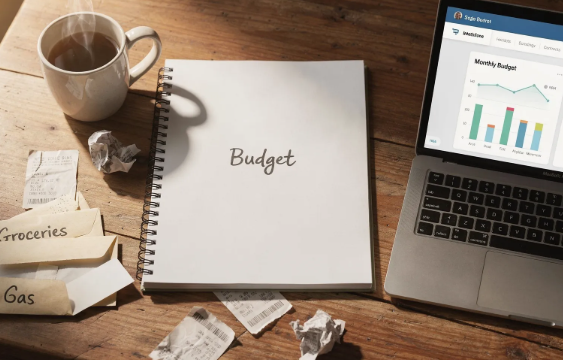
One of the most common financial mistakes is spending without knowing exactly how much money comes in and goes out each month. Without a basic spending plan, it can be difficult to identify unnecessary expenses or prepare for upcoming bills.
A budget does not need to be restrictive. Instead, think of it as a simple map for your money. Start by recording your regular income and essential expenses such as housing, food, transportation, utilities, and other recurring costs. Then look at flexible spending, including entertainment, shopping, dining out, and subscriptions.
Once you understand your spending patterns, you can make adjustments based on your priorities. Even a simple monthly plan can help prevent money from disappearing without a clear purpose.
Ignoring Small Recurring Expenses
Small expenses may seem harmless individually, but recurring charges can add up over an entire year. Streaming services, unused memberships, premium apps, delivery fees, and other automatic payments are easy to overlook.
Take some time each month to review your bank or payment statements. Look for services you rarely use and consider canceling those that no longer provide enough value.
The goal is not to eliminate every enjoyable expense. It is to make sure your money is being used intentionally rather than automatically.
Carrying Expensive Debt for Too Long
Borrowing money can be useful in certain situations, but high interest costs can make debt significantly more expensive over time. Making only the minimum required payment may keep an account current while allowing interest to continue accumulating.
If you have multiple debts, review the interest rates, balances, minimum payments, and repayment terms. You may choose to prioritize higher-interest balances while continuing to make required payments on other accounts.
Before taking on new debt, consider whether the purchase fits comfortably within your budget. Understanding the total cost of borrowing can help you make more informed decisions.
Not Building an Emergency Fund
Unexpected expenses are a normal part of life. A vehicle repair, home maintenance problem, temporary income interruption, or other unexpected bill can put pressure on a household budget.
Without savings, people may need to rely on credit or other borrowing options when an emergency occurs. Building an emergency fund can provide a financial cushion and reduce the need to make rushed decisions.
You do not necessarily need to save a large amount immediately. Start with an amount that fits your current budget and gradually increase it as your financial situation improves. Keeping emergency savings separate from everyday spending can also make it easier to preserve the money for genuine unexpected needs.
Shopping Without Comparing Prices
Paying the first price you see can sometimes result in spending more than necessary. This is especially relevant for larger purchases, recurring services, electronics, household products, and insurance.
Comparing prices does not mean choosing the cheapest option every time. Quality, reliability, warranties, customer service, and long-term value can also matter.
Before making a significant purchase, take a few minutes to compare alternatives and check the total cost. A small amount of research can sometimes lead to meaningful savings.
Paying Bills Late
Late payments can create avoidable costs. Depending on the account and provider, missing a payment deadline may result in fees, additional interest, or other consequences.
Creating reminders or using automatic payments where appropriate can help prevent missed deadlines. However, it is important to monitor automatic payments and keep enough money available in the account to cover scheduled charges.
A simple calendar or monthly financial checklist can make bill management much easier.
Failing to Review Bank Fees
Bank accounts and financial services may come with various fees, including maintenance charges, ATM fees, transaction fees, or other service costs. While an individual fee may appear small, repeated charges can become significant over time.
Review your account statements regularly and understand the fees associated with your accounts. If you frequently pay fees for services you do not need, investigate whether another account option could better match your financial habits.
Knowing what you are being charged is an important part of managing your money effectively.
Letting Lifestyle Costs Grow Too Quickly
When income increases, it can be tempting to immediately increase spending. A larger paycheck may lead to a more expensive car, frequent dining out, upgraded subscriptions, or other lifestyle changes.
There is nothing wrong with enjoying higher income, but increasing every expense at the same time can make it difficult to build savings.
Consider directing part of any income increase toward savings, debt repayment, or other financial goals before increasing your regular expenses. This approach can allow you to enjoy improvements in your lifestyle while also strengthening your financial foundation.
Delaying Financial Planning
Some people avoid financial planning because they believe they do not earn enough money or have enough savings to make planning worthwhile. In reality, planning can be useful at almost any income level.
Start with simple goals. You might want to build savings, reduce debt, prepare for a major purchase, or create a more stable monthly budget. Once you have a clear goal, breaking it into smaller steps can make it easier to follow.
Financial planning does not require predicting everything that will happen in the future. It simply helps you make today’s decisions with tomorrow in mind.
Making Impulsive Purchases
Impulse purchases can be particularly costly when they become a regular habit. Online shopping and digital payments can make it easier to spend money without fully considering whether a purchase is necessary.
For nonessential purchases, consider using a waiting period before buying. Waiting a day or even a few hours can give you time to decide whether you genuinely want or need the item.
This does not mean avoiding all spontaneous purchases. Instead, it creates a simple pause between wanting something and spending money on it.
Not Checking Your Financial Progress
Another mistake is creating a budget or savings goal and then never reviewing it. Your income, expenses, responsibilities, and priorities can change over time.
Set aside a little time each month to review your finances. Check whether your spending remains reasonable, whether your savings are progressing, and whether any recurring expenses have changed.
Regular reviews can help you identify problems early instead of discovering them after they have become difficult to manage.
Building Better Money Habits
Avoiding financial mistakes is not about becoming perfect with money. It is about developing habits that help you make thoughtful decisions consistently.
Start by tracking your spending, reviewing recurring expenses, managing debt carefully, and building an emergency cushion. Then focus on realistic financial goals that match your circumstances.
Small improvements can become meaningful over time. Saving a little more, reducing unnecessary fees, avoiding impulsive purchases, and planning ahead can all contribute to greater financial stability.
Your money should support the life you want to build rather than disappear through expenses you barely notice. By identifying common financial mistakes and making gradual changes, you can keep more of your income working toward the things that matter most to you.