Managing money does not always require a complicated investment strategy or a high income.
In many cases, improving your finances starts with noticing the small habits that quietly reduce the amount of money available to you.
Some financial mistakes may seem harmless at first, but they can become expensive when repeated month after month.
The good news is that most everyday money mistakes can be corrected. By understanding where your money is going and making a few thoughtful changes, you can create healthier financial habits and make better use of your income.
Not Having a Clear Monthly Budget
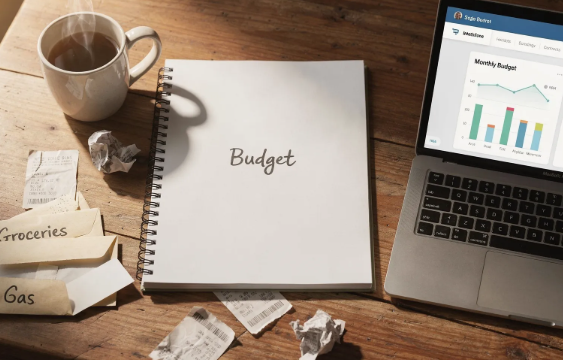
One of the most common financial mistakes is spending without a clear understanding of how much money comes in and how much goes out. Without a simple budget, it can be difficult to recognize unnecessary expenses or plan for upcoming bills.
A budget does not have to be restrictive. It is simply a way to give every part of your income a purpose. Start by recording your regular income and essential expenses, such as housing, food, transportation, utilities, and other recurring bills. Then look at flexible spending, including entertainment, shopping, dining out, and subscriptions.
Even a basic monthly spending plan can make it easier to identify areas where you may be spending more than expected.
Ignoring Small Recurring Expenses
Small expenses can be easy to overlook because they do not seem significant individually. However, several small recurring payments can add up over time.
Streaming services, unused memberships, mobile applications, delivery fees, and other subscriptions can continue charging your account even when you rarely use them. Reviewing these expenses regularly can help you decide which services still provide value.
This does not mean you need to remove every enjoyable expense. The goal is to make sure you are paying for things you actually use and appreciate.
Paying Bills Late
Late payments can create unnecessary costs and may make monthly finances more stressful. Depending on the type of bill and the provider, missing a payment deadline can result in additional fees or other consequences.
Creating reminders or using automatic payments for regular bills can help reduce the chance of forgetting important due dates. Before setting up automatic payments, make sure your account normally has enough money available to cover scheduled charges.
A simple calendar or reminder system can also be effective if you prefer to manage payments manually.
Carrying Expensive Debt for Too Long
Borrowing money can sometimes be useful, but high-interest debt can become expensive when balances remain unpaid for long periods. Interest charges can increase the total amount you eventually pay.
If you have multiple debts, understanding the interest rate, minimum payment, balance, and due date for each one can provide a clearer picture of your situation. You can then create a repayment approach that fits your income and priorities.
Avoid taking on additional debt simply to cover everyday spending when possible. Building a realistic spending plan can help reduce the need to rely on borrowing.
Failing to Build an Emergency Fund
Unexpected expenses are part of life. A car repair, home maintenance issue, temporary income reduction, or other unplanned cost can put pressure on a household budget.
Without savings, people may need to rely on credit cards or loans to handle unexpected expenses. An emergency fund provides a financial cushion that can make these situations easier to manage.
You do not need to save a large amount immediately. Starting with a small amount and contributing regularly can gradually create useful savings. As your financial situation improves, you can work toward building a larger reserve.
Spending More When Income Increases
An increase in income can be helpful, but it can also lead to higher spending. This is sometimes called lifestyle inflation. When earnings increase, it may feel natural to upgrade a phone, eat out more often, move to a more expensive home, or increase other discretionary expenses.
Enjoying some of your additional income is reasonable. However, directing part of an income increase toward savings, debt repayment, or other financial goals can help strengthen your long-term position.
The key is to avoid automatically increasing every expense whenever your income rises.
Shopping Without Comparing Prices
Buying something quickly can sometimes mean paying more than necessary. Prices for similar products and services can vary between retailers, providers, and payment options.
Before making a significant purchase, take a moment to compare prices, warranties, delivery costs, quality, and return policies. The cheapest option is not always the best value, but comparing alternatives can help you make a more informed decision.
For everyday purchases, small savings can become meaningful when repeated over an extended period.
Forgetting to Review Financial Accounts
Another common mistake is setting up a financial account or service and then never reviewing it again. Fees, interest rates, account features, and personal circumstances can change over time.
Reviewing bank accounts, insurance policies, subscriptions, and other financial services periodically can help you understand whether they still meet your needs.
When reviewing an account, pay attention to recurring fees and conditions. If something is unclear, contacting the provider and asking questions can help you understand what you are paying for.
Relying on Impulse Purchases
Impulse buying can make it difficult to stick to financial goals. Online shopping has made it particularly easy to purchase something within seconds.
One useful approach is to introduce a short waiting period before buying nonessential items. For smaller purchases, waiting until the next day may be enough. For larger purchases, giving yourself several days to consider the decision can provide a better opportunity to determine whether you genuinely need the item.
This simple habit can reduce unnecessary spending without requiring you to eliminate shopping altogether.
Not Planning for Irregular Expenses
Some expenses do not happen every month, but they are still predictable. Annual insurance payments, school expenses, holiday spending, vehicle maintenance, property costs, and occasional medical or household expenses can catch people off guard when they are not included in the financial plan.
One solution is to estimate these costs in advance and set aside a small amount each month. When the expense arrives, the money is already available.
This approach can make irregular bills feel more manageable and reduce pressure on your regular monthly budget.
Making Financial Decisions Without Checking the Details
Financial products and services can include important terms, fees, interest rates, penalties, and conditions. Making decisions without reading or understanding these details can lead to unexpected costs.
Before signing an agreement or opening a financial product, take time to review the important information. If you do not understand something, consider asking the provider for clarification or seeking advice from a qualified professional when appropriate.
Being careful does not mean avoiding every financial product. It means understanding what you are agreeing to before committing your money.
Building Better Money Habits
Improving your finances does not require perfection. Small changes can make a meaningful difference when they are maintained consistently.
Start by looking at your recent spending and identifying one or two areas that deserve attention. You might discover unnecessary subscriptions, frequent impulse purchases, avoidable fees, or opportunities to save more regularly.
Once you identify a problem, focus on creating a practical replacement habit. For example, instead of simply deciding to spend less, set a specific monthly spending limit. Instead of hoping to save whatever remains at the end of the month, consider setting aside a planned amount when you receive your income.
Financial progress is usually built through consistent decisions rather than dramatic changes. By paying attention to your spending, preparing for unexpected costs, reviewing your accounts, and making thoughtful choices, you can reduce avoidable expenses and create a stronger foundation for the future.
The most important step is simply to begin. Your current financial habits are not permanent, and even modest improvements can become valuable over time.