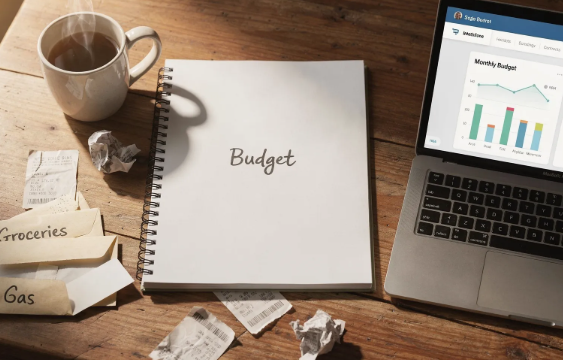
Managing money does not always require a complicated strategy.
In many cases, improving your finances starts with noticing the small habits that quietly reduce your available cash.
An unnecessary subscription, a forgotten bank fee, or a purchase made without checking the price can seem insignificant on its own.
Over time, however, these choices can add up.
The good news is that many common financial mistakes are relatively easy to identify and address. By taking a closer look at everyday spending, saving, borrowing, and planning habits, you may find opportunities to keep more of your money available for the things that matter to you.
Not Having a Clear Picture of Your Spending
One of the most common money mistakes is spending without knowing exactly where your money goes each month. When expenses are spread across cash purchases, bank transfers, cards, and digital payment services, it can become difficult to see the full picture.
A simple spending review can help. Look at several weeks or a few months of transactions and group expenses into categories such as housing, food, transportation, entertainment, subscriptions, and personal purchases.
The goal is not necessarily to eliminate every enjoyable expense. Instead, understanding your spending gives you the information needed to decide which costs are genuinely valuable and which ones may no longer fit your priorities.
Ignoring Small Recurring Charges
Recurring expenses can be easy to overlook because they often leave an account automatically. Streaming services, software subscriptions, memberships, cloud storage, delivery services, and other recurring payments may each seem inexpensive.
The problem arises when you continue paying for something you rarely use.
Review your recurring payments regularly. If you discover a service that no longer provides enough value, consider canceling it or changing the plan. Checking these charges a few times a year can help prevent forgotten subscriptions from becoming permanent expenses.
Paying Bills Late
Late payments can create unnecessary costs. Depending on the type of bill and the provider, missing a payment deadline may result in a late fee, additional interest, or other consequences.
A practical solution is to create a simple bill calendar. Write down the due dates for rent, utilities, loans, credit accounts, insurance, and other regular obligations. Automatic payments may also be useful for bills that remain consistent, provided you maintain enough money in the relevant account.
Staying organized does not make a bill disappear, but it can reduce the chance of paying more simply because a deadline was missed.
Carrying Expensive Debt Without a Plan
Borrowing can be useful in certain situations, but interest can make purchases significantly more expensive when balances remain unpaid for long periods.
Credit card balances are one example. If a balance carries over from month to month, interest charges can increase the total cost of purchases. Personal loans and other forms of borrowing can also have costs that deserve careful attention.
Rather than focusing only on the monthly payment, look at the interest rate, fees, repayment period, and total amount you are expected to repay. Understanding these numbers can make it easier to compare borrowing options and decide how much debt fits comfortably within your budget.
If you already have debt, creating a repayment plan can help bring structure to the process. Depending on your circumstances, you might focus on paying down higher-interest balances while continuing to make required payments on other debts.
Failing to Build an Emergency Fund
Unexpected expenses are a normal part of life. A vehicle repair, home maintenance problem, temporary reduction in income, or unexpected personal expense can put pressure on a household budget.
Without savings, an unexpected bill may need to be covered with a credit card or another form of borrowing.
An emergency fund is designed to provide a financial cushion for these situations. The appropriate amount depends on income, expenses, household circumstances, and financial responsibilities.
You do not necessarily need to build the fund all at once. Setting aside a manageable amount regularly can make the goal feel more achievable. Keeping emergency savings separate from everyday spending can also reduce the temptation to use the money for nonessential purchases.
Shopping Without Comparing Prices
Convenience can sometimes come at a higher price. Buying the first available option without checking alternatives may mean missing a lower price, a better value, or a more suitable product.
This does not mean every purchase needs hours of research. For larger purchases, however, comparing prices, warranties, specifications, delivery charges, and return policies can be worthwhile.
It is also important to compare the total cost rather than focusing only on the advertised price. A cheaper item may not always provide better value if it has higher maintenance costs or a shorter useful life.
Confusing Wants With Needs
There is nothing wrong with spending money on things you enjoy. The problem occurs when discretionary spending regularly interferes with essential expenses or financial goals.
Before making a significant purchase, consider whether you need the item now, whether you already own something that serves the same purpose, and whether the purchase fits within your current budget.
A short waiting period can also help. Giving yourself a day or two before making a nonessential purchase may make it easier to determine whether you genuinely want it or simply reacted to a moment of excitement.
Waiting Too Long to Review Financial Goals
Financial goals can change as life changes. A plan created several years ago may no longer reflect your current income, expenses, family responsibilities, or priorities.
Take time periodically to review your savings, debt, major expenses, and longer-term goals. You might discover that an old target needs to be adjusted or that a new priority deserves attention.
The purpose of a financial review is not to create pressure. It is to make sure your money decisions continue to reflect your current circumstances.
Not Paying Attention to Fees
Financial products and services can sometimes include fees that are easy to miss. These may include account fees, transaction charges, service fees, foreign-exchange costs, loan fees, or other charges.
Before opening or using a financial product, read the relevant fee information and terms. If you already have accounts or services, review their current fee structures because terms can change.
A few minutes spent understanding fees may help you avoid costs that provide little value.
Making Money Decisions Without a Plan
Perhaps the biggest mistake is treating each financial decision as an isolated event. A purchase, loan, subscription, or savings decision may seem reasonable on its own but have a different effect when considered alongside everything else.
A basic financial plan can bring these decisions together. Start by identifying your regular income, essential expenses, debt obligations, savings, and financial priorities. From there, you can decide how much money is available for discretionary spending and future goals.
You do not need a complicated spreadsheet or sophisticated financial system. Even a simple monthly review can provide useful insight.
Small Improvements Can Add Up
Improving your finances does not have to mean making dramatic changes overnight. Sometimes the most useful progress comes from identifying several small leaks and addressing them one at a time.
Review your recurring charges. Pay attention to deadlines. Compare important purchases. Understand borrowing costs. Build savings gradually and revisit your financial goals as your circumstances change.
Most importantly, remember that personal finance is personal. A strategy that works well for one household may not be appropriate for another. Income, expenses, obligations, local costs, and individual priorities all matter.
The first step is simply becoming more aware of where your money is going. Once you understand your financial habits, you can make more informed choices about what to keep, what to change, and where your money can better support your goals.