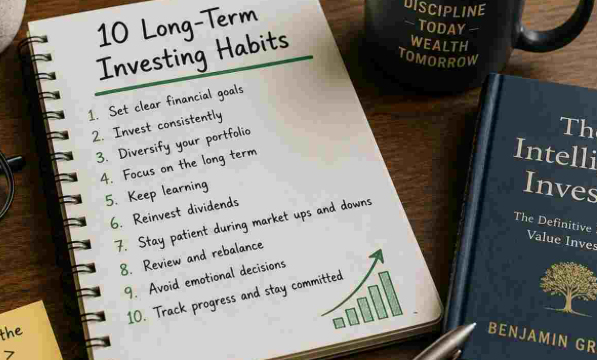
Building wealth is often presented as something that requires a high income, perfect investment choices, or a significant amount of money to get started.
In reality, long-term wealth is usually built through consistent financial habits, thoughtful decisions, patience, and time.
You do not need to become wealthy overnight.
Instead, the goal is to create a financial foundation that becomes stronger year after year.
Whether you are just beginning your financial journey or looking for ways to improve your current approach, several practical strategies can help you steadily build wealth over time.
Start With a Clear Financial Plan
A strong financial future begins with knowing where you currently stand. Take some time to understand your income, regular expenses, savings, debts, and financial goals. Having a clear picture of your finances makes it easier to identify opportunities for improvement.
Your goals should be specific enough to guide your decisions. You might want to build an emergency fund, save for a home, prepare for retirement, or create greater financial flexibility. When you know what you are working toward, it becomes easier to decide how much money to save and where your money should go.
A financial plan does not have to be complicated. What matters most is creating a realistic approach that you can maintain over the long term.
Spend Less Than You Earn
One of the most fundamental principles of building wealth is maintaining a gap between what you earn and what you spend. If all of your income is used for monthly expenses, there is little money available for savings or investing.
This does not mean you need to eliminate everything you enjoy. Instead, focus on making intentional spending decisions. Review recurring expenses, compare prices when making larger purchases, and consider whether certain expenses provide meaningful value.
As your income increases, avoid automatically increasing your lifestyle at the same pace. Keeping some of the additional income available for saving and investing can significantly improve your financial position over the years.
Build an Emergency Fund
Unexpected expenses can make it difficult to maintain long-term financial progress. A vehicle repair, temporary loss of income, home expense, or other surprise bill can quickly force you to rely on expensive borrowing if you have no savings available.
An emergency fund provides a financial cushion for situations like these. The appropriate amount depends on your circumstances, income stability, household expenses, and responsibilities. Many people work toward having several months of essential expenses readily available.
Start with an amount that feels achievable. Even a modest emergency fund can provide useful protection while you gradually work toward a larger reserve.
Make Saving Automatic
Saving money becomes easier when it is part of your routine rather than something you remember to do at the end of each month. Consider setting up automatic transfers from your income account to a dedicated savings or investment account.
Automation can reduce the temptation to spend money simply because it is available. Over time, regular contributions can become a normal part of your financial routine.
The amount you save is important, but consistency matters too. Starting with a manageable amount and increasing it gradually can be more sustainable than setting an unrealistic target that becomes difficult to maintain.
Understand the Power of Compound Growth
Time is one of the most valuable resources available to long-term investors. When money earns returns and those returns remain invested, future growth can occur on both the original amount and previous earnings. This is commonly known as compounding.
For example, regularly investing a relatively modest amount over many years can potentially produce a significantly larger balance than simply leaving the same contributions uninvested. Actual results vary because investments involve risk and returns are never guaranteed.
The important lesson is that starting early can give your money more time to grow. You do not necessarily need to make large contributions from the beginning. Consistent investing over a long period can be a powerful financial habit.
Invest With a Long-Term Perspective
Investing can play an important role in wealth building, but it is important to understand that investments can rise and fall in value. Markets can experience periods of growth, decline, and uncertainty.
Instead of making decisions based entirely on short-term market movements, consider developing an investment approach that matches your goals, time horizon, and comfort with risk. Diversification can also help spread exposure across different investments rather than depending heavily on a single asset.
Before investing, learn how an investment works, understand its potential risks and costs, and consider whether it fits your overall financial plan. A long-term approach can help reduce the temptation to make emotional decisions during periods of market volatility.
Manage High-Cost Debt Carefully
Debt can be useful when handled responsibly, but high interest costs can make it harder to build wealth. When a significant portion of your income goes toward interest and repayments, less money remains available for savings and investing.
Review your outstanding debts and understand their interest rates, repayment terms, and minimum payments. Prioritizing expensive debt can help reduce the amount of money lost to interest over time.
At the same time, avoid viewing all debt as identical. Different types of borrowing have different costs, purposes, and risks. Understanding the details can help you make more informed financial decisions.
Increase Your Earning Potential
Reducing expenses is only one part of wealth building. Increasing your income can also create more opportunities to save and invest.
Developing valuable skills, pursuing additional education or training, negotiating compensation when appropriate, exploring career opportunities, or developing a legitimate side income can potentially increase your earning power.
As your income grows, consider directing part of the additional money toward long-term financial goals instead of allowing every increase to become additional spending.
Protect Your Financial Progress
Building wealth is not only about growing your assets. It is also about protecting the progress you have made.
Appropriate insurance coverage, an emergency fund, careful financial planning, and maintaining important financial records can help reduce the impact of unexpected events. Your protection needs will depend on your circumstances, household responsibilities, assets, and sources of income.
It is also wise to review your financial plan periodically. Changes in employment, family circumstances, expenses, or long-term goals may require adjustments.
Keep Learning About Money
Financial knowledge can become one of your most valuable long-term assets. Take time to learn about budgeting, saving, investing, taxes, retirement planning, interest rates, and financial risk.
You do not need to understand every financial product or investment strategy. Focus on developing a solid understanding of the fundamentals and be cautious about promises of unusually high or guaranteed returns.
Reliable information can help you recognize unnecessary fees, understand potential risks, and make decisions that fit your personal circumstances.
Think Long Term
Perhaps the most important wealth-building strategy is patience. Financial progress rarely happens overnight. There may be months when your savings grow slowly or periods when investments decline in value. These experiences are normal parts of a long-term financial journey.
Instead of focusing exclusively on short-term results, pay attention to the habits you can control. Saving consistently, spending thoughtfully, managing debt, investing appropriately, improving your earning potential, and continuing to learn can create a strong foundation.
Building wealth over time is less about finding one perfect financial decision and more about making many sensible decisions consistently. Start with the resources you have today, establish realistic goals, and improve your strategy as your circumstances change.
With patience and discipline, small financial improvements can accumulate into meaningful progress. The journey may take years, but every responsible step can bring you closer to greater financial stability and long-term financial independence.