Investing has changed dramatically over the past few decades.
What once required a phone call to a broker, a visit to a financial office, or stacks of paperwork can now be done from a smartphone in just a few minutes.
Technology has made financial markets more accessible, information easier to find, and investment tools available to a much wider audience.
This transformation is not simply about faster transactions. Technology is changing how people learn about investing, evaluate opportunities, manage portfolios, and understand financial risk. At the same time, it is creating new challenges, including concerns about privacy, misinformation, cybersecurity, and the temptation to make decisions too quickly.
One of the most noticeable changes is the rise of online investment platforms. Traditional investing often involved professional intermediaries and relatively complicated processes. Today, many digital platforms allow individuals to research investments, monitor accounts, and place orders from computers or mobile devices.
These platforms have lowered some of the practical barriers to getting started. Investors can often access market information, educational resources, portfolio tools, and account information in one place. However, greater convenience does not remove investment risk. The value of investments can rise or fall, and technology cannot guarantee a particular financial outcome.
Mobile apps have taken this convenience even further. People can receive market updates, review their portfolios, and follow financial news while away from a computer. Notifications can provide timely information about account activity or market developments.
This accessibility can be useful, but it can also encourage people to check their investments constantly. Markets naturally experience short-term movements, and frequent monitoring may lead some investors to react emotionally to ordinary price changes. Technology makes it easier to act quickly, but thoughtful investing still requires patience and careful consideration.
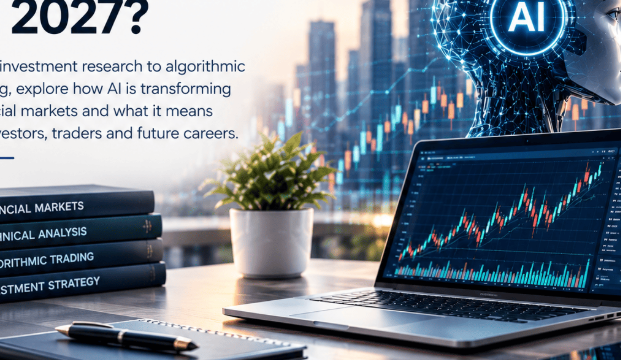
Another major development is the growing use of artificial intelligence and data analytics. Financial companies can use advanced software to process large amounts of information, identify patterns, and assist with research. Some investment platforms also use algorithms to help users organize portfolios according to factors such as their financial goals, time horizon, and tolerance for risk.
Robo-advisors are one example of this trend. These digital services can automate certain portfolio management tasks and may make investing more accessible to people who prefer a technology-based approach. Nevertheless, automated tools depend on the information and assumptions built into their systems. Users should understand what a service does, what fees may apply, and what risks are involved before relying on it.
Technology is also changing financial education. In the past, learning about stocks, bonds, funds, and other investments often meant reading books, attending seminars, or speaking with a financial professional. Today, educational material is available through websites, online courses, podcasts, videos, and financial applications.
This abundance of information can help people become more informed. It also creates a new problem: not everything published online is accurate. Social media can spread financial rumors, exaggerated claims, and misleading investment advice extremely quickly. A confident-looking post is not necessarily reliable evidence.
For that reason, investors increasingly need digital financial literacy. This means knowing how to evaluate sources, distinguish facts from opinions, understand basic investment terminology, and recognize claims that sound too good to be true. Checking information against reputable financial institutions, regulatory agencies, company filings, and established news organizations can provide a more dependable foundation for research.
Another important development is fractional investing. Some platforms allow investors to purchase a fraction of certain assets rather than requiring them to buy a complete share. This can make participation more accessible for people working with smaller amounts of money.
Technology has also expanded access to information about companies and markets. Investors can review financial statements, earnings announcements, economic data, historical prices, and other information without depending entirely on a traditional intermediary. This greater transparency can support independent research, although interpreting financial information still requires care.
Blockchain technology and digital assets have introduced another dimension to the investment landscape. Digital currencies and blockchain-based projects have attracted significant attention and have encouraged discussions about new forms of ownership and financial infrastructure. At the same time, this area can involve substantial volatility, regulatory uncertainty, scams, and technological risks. Anyone researching digital assets should investigate the underlying technology and risks rather than relying solely on online enthusiasm.
Security has become equally important as investing becomes more digital. Financial accounts contain sensitive personal and financial information, making them potential targets for criminals. Strong passwords, two-factor authentication, software updates, and careful attention to suspicious messages can help reduce exposure to common online threats.
Privacy is another consideration. Many financial applications collect information to provide services, personalize experiences, or analyze user activity. Before opening an account, users may want to review a platform’s privacy practices and understand what information is collected and how it may be used.
Despite all these advances, technology has not changed some fundamental principles of investing. Diversification, understanding risk, considering investment time horizons, controlling unnecessary costs, and making decisions based on reliable information remain important con