Understanding Cryptocurrency and Digital Assets
Introduction
Technology continues to transform the way people manage money, make payments, and interact with financial services.
One important development in this changing landscape is the growth of cryptocurrency and digital assets.
These technologies have introduced new ways to transfer value, record transactions, and participate in digital financial systems.
For many people, cryptocurrency can seem complicated at first. Terms such as blockchain, digital wallets, tokens, and decentralized finance may sound unfamiliar. However, understanding the basic concepts can make these developments easier to follow.
Cryptocurrency and digital assets are becoming part of broader conversations about financial technology, online security, and the future of payments. Learning how they work, what opportunities they may offer, and what limitations they have can help individuals make more informed decisions about their financial lives.
What Is Cryptocurrency?
Cryptocurrency is a type of digital asset designed to use cryptographic techniques to help secure transactions and manage records. Unlike traditional bank deposits, many cryptocurrencies operate on decentralized networks rather than relying on a single financial institution to maintain their transaction records.
Bitcoin and Ethereum are two widely recognized examples, although they serve different purposes within their respective ecosystems. Bitcoin was introduced as a digital form of value transfer, while Ethereum supports a programmable blockchain that allows developers to create applications and digital agreements.
Cryptocurrencies can be transferred between compatible digital wallets, sometimes without the involvement of a traditional payment processor. However, the process still depends on the network’s rules, transaction fees, and security arrangements.
It is important to understand that cryptocurrencies are not all the same. Their designs, uses, supply structures, and levels of adoption can differ considerably. Their market prices can also change significantly, which means their value may be uncertain over short and long periods.
Understanding Digital Assets
Digital assets are a broader category that includes cryptocurrency and other forms of value or ownership represented electronically. They can include digital tokens, certain blockchain-based collectibles, and tokenized representations of assets.
Some digital assets are designed to support payments, while others provide access to particular services or applications. Certain tokens may represent participation rights within a digital platform, although the rights associated with a token depend on its specific design and applicable legal arrangements.
Tokenization is another developing area. It involves representing rights to an asset through digital tokens. In some settings, this approach may help make records easier to transfer or manage. However, a digital token does not automatically establish legal ownership of an underlying asset. The relevant contracts, laws, and systems determine what rights a holder actually receives.
Understanding these differences is useful because the term digital asset does not describe one single financial product. Each asset needs to be considered according to its purpose, structure, risks, and supporting arrangements.
How Blockchain Technology Works
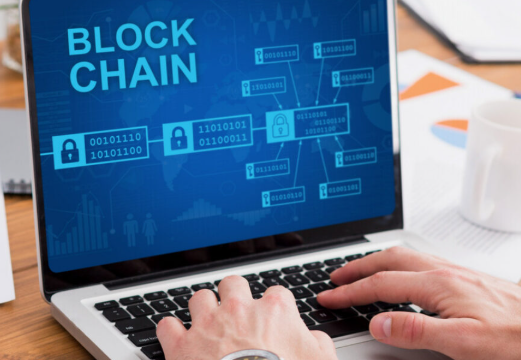
Many cryptocurrencies use blockchain technology to maintain transaction records. A blockchain is a type of distributed digital ledger that stores information in connected groups of records, commonly called blocks.
Depending on the network, transactions may be checked by miners, validators, or other participants who follow established rules. Once transactions are accepted and recorded, changing historical information can be difficult, particularly on networks designed to resist unauthorized changes.
The distributed nature of blockchain systems can reduce reliance on one central recordkeeper. Participants can independently verify certain information according to the network’s rules.
However, blockchain technology is not automatically secure in every situation. Individual applications, digital wallets, exchanges, and smart contracts can contain weaknesses. The reliability of a blockchain also depends on its technical design, governance, participation, and security practices.
Blockchain is therefore best understood as a technology with particular strengths and limitations rather than a guarantee that every digital asset or service built around it will be trustworthy.
The Role of Digital Wallets
A digital wallet is a tool that allows users to manage cryptocurrency addresses and authorize transactions. Wallets can take different forms, including mobile applications, desktop software, browser-based tools, and dedicated hardware devices.
Many cryptocurrency wallets do not actually store coins in the same way that a physical wallet holds cash. Instead, they manage cryptographic keys that allow users to interact with assets recorded on a blockchain.
A private key or recovery phrase can provide important control over digital assets. Anyone who obtains the necessary credentials may be able to move the associated funds. For this reason, protecting wallet information is essential.
Users should avoid sharing recovery phrases, verify wallet addresses carefully, and be cautious about unexpected messages requesting account information. Keeping software updated and understanding the recovery process can also improve account security.
Different wallet arrangements involve different trade-offs. Some services manage keys on behalf of customers, while others allow users to maintain direct control. Each approach has its own responsibilities and potential risks.
Potential Uses of Cryptocurrency
Cryptocurrency can support several types of financial and technological activity. One example is transferring value between compatible wallets. Depending on the network and service providers involved, some transfers may take place without using conventional banking payment rails.
Digital assets may also be used within online applications, blockchain-based games, and decentralized financial services. Certain networks support smart contracts, which are programs that execute predefined actions when specified conditions are met.
These capabilities can create opportunities for developers to experiment with new financial tools and digital services. They may also encourage discussion about how payment systems, asset records, and online ownership could develop.
Nevertheless, the usefulness of a cryptocurrency depends on practical factors such as transaction costs, network capacity, user experience, security, and acceptance. A technology’s existence does not necessarily mean it will become widely adopted or suitable for every situation.
Risks and Important Considerations
Cryptocurrency and digital assets involve risks that deserve careful attention. Market prices can fluctuate sharply, and there is no guarantee that an asset will maintain its value or that a buyer will be able to sell it when desired.
Security is another major consideration. Scams, phishing attempts, compromised accounts, fraudulent platforms, and software vulnerabilities can result in financial losses. Transactions on many blockchain networks are difficult or impossible to reverse, making address verification especially important.
There can also be operational and regulatory uncertainties. A digital asset service may experience technical interruptions, change its policies, or become unavailable in a particular jurisdiction. Legal protections and consumer remedies can differ depending on the country, product, and provider.
Before using any service, individuals should understand its fees, withdrawal rules, custody arrangements, and relevant terms. They should also be cautious of promises of guaranteed profits, unusually high returns, or pressure to act immediately.
Taking time to research a product and recognize its limitations can help people avoid decisions based on unrealistic expectations.
Cryptocurrency and Financial Planning
For individuals interested in learning about cryptocurrency, a sensible starting point is education rather than immediate financial commitment. Understanding blockchain fundamentals, wallet security, and the differences between digital assets can provide a useful foundation.
Personal financial priorities should remain central to any financial decision. Everyday expenses, emergency savings, existing obligations, and long-term goals all deserve consideration before taking on additional financial uncertainty.
People should never feel pressured to purchase a digital asset because of online excitement or claims that an opportunity will disappear. Financial decisions are personal, and what may be appropriate for one individual may not suit another.
It is also useful to distinguish between learning about a technology and deciding to use it financially. Someone can explore blockchain concepts, follow industry developments, or study digital payment systems without purchasing cryptocurrency.
For those who choose to participate, understanding the possibility of losing some or all of the money committed is an important part of responsible decision-making.
The Future of Digital Assets
The future of cryptocurrency and digital assets will depend on technological development, practical adoption, regulation, and public confidence. Financial institutions, technology companies, developers, and policymakers continue to examine how digital systems may fit into existing financial infrastructure.
Potential areas of development include faster payment processes, improved digital identity systems, tokenized records, and applications that connect blockchain networks with conventional services.
At the same time, important questions remain about consumer protection, privacy, energy use, scalability, interoperability, and the prevention of financial crime. Addressing these challenges will be important for determining which applications become useful over time.
Future developments may also differ significantly between countries because financial regulations, infrastructure, and consumer needs are not identical everywhere.
Rather than assuming that every new project will succeed, it is helpful to evaluate developments according to their practical benefits, technical reliability, transparency, and ability to address real problems.
Conclusion
Cryptocurrency and digital assets represent an evolving part of the modern financial technology landscape. By combining digital records, cryptographic techniques, and new methods of transferring value, these systems have created additional ways to explore payments, online applications, and asset management.
Understanding the basics makes it easier to distinguish between different types of digital assets and recognize how blockchain technology fits into the wider financial system. It also helps individuals identify important considerations involving security, market uncertainty, legal arrangements, and personal financial goals.
As digital finance continues to develop, education and careful evaluation remain valuable. Learning about the technology, checking information from reliable sources, and avoiding unrealistic promises can help people approach cryptocurrency with a clearer understanding.
Ultimately, digital assets are tools whose usefulness depends on how they are designed, managed, and applied. A balanced understanding of their possibilities and limitations allows individuals to follow this changing field with greater awareness and make decisions that reflect their own circumstances.