In a world filled with distractions, maintaining academic focus can feel like an uphill battle.
Students often find themselves juggling multiple responsibilities, from homework to extracurricular activities, leaving little time for deep concentration.
In this landscape, gamified learning emerges as a refreshing approach to enhance engagement and improve focus in academic settings.
By integrating game-like elements into learning, students can find a renewed sense of motivation and purpose in their studies.
Gamification involves applying game design principles in non-game contexts, such as education. This method taps into the natural human desire for achievement and competition, creating a more interactive and enjoyable learning experience. When students are engaged in an environment that feels rewarding, they are more likely to invest their attention and energy into their studies.
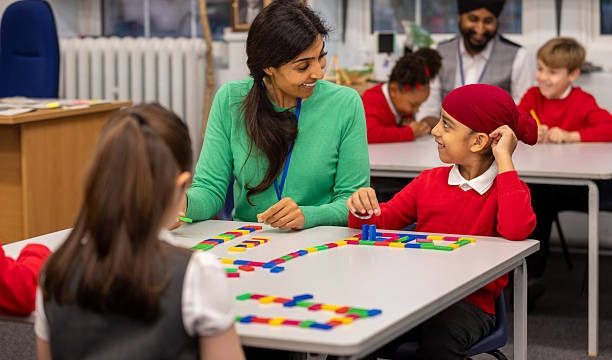
The essence of gamified learning lies in its ability to transform mundane tasks into exciting challenges. Imagine a classroom where students earn points for completing assignments, leveling up as they master new concepts. This shift in perspective can turn learning into a quest rather than a chore. The integration of rewards, such as badges or certificates, can further motivate students to push their boundaries and explore new topics. It’s not just about grades; it’s about fostering a love for learning.
A gentle nudge toward motivation can also be found in the use of storytelling within gamified learning. Narratives can create immersive experiences that captivate the imagination. Students become part of a larger story, whether they are solving mysteries in a historical context or embarking on a journey through scientific principles. By connecting academic content with engaging stories, students are encouraged to focus and think critically, as they want to uncover the next twist in the tale.
Collaboration is another key element of gamified learning. When students work together towards a common goal, they not only enhance their understanding of the material but also cultivate social skills. Group challenges or team-based projects foster a sense of community, making the learning process less isolating. This interaction can lead to deeper discussions and a greater exchange of ideas, ultimately enhancing academic focus. Students are more likely to stay engaged when they know their peers are counting on them.
Creating a safe space for experimentation is vital in gamified learning. Students can take risks without the fear of failure, as the focus shifts from grades to learning. When mistakes are viewed as opportunities for growth, students become more willing to dive into challenging subjects. This mindset fosters resilience and encourages a deeper exploration of topics, leading to improved focus and retention. The joy of discovery can reignite a passion for learning that may have been dulled by traditional educational methods.
Incorporating technology into gamified learning opens up a world of possibilities. Educational apps and online platforms offer interactive experiences that can be tailored to individual learning styles. These tools can track progress, provide instant feedback, and adapt to the pace of each student. By leveraging technology, educators can create a dynamic environment that keeps students engaged and focused. The instant gratification of seeing progress can be a powerful motivator, driving students to stay on task.
As we embrace the potential of gamified learning, it’s essential to remember that balance is key. While the excitement of games can enhance focus, it’s important to maintain a structured approach to education. Setting clear goals and expectations helps students navigate their learning journey without feeling overwhelmed. A thoughtful blend of gamification and traditional learning methods can create an environment where students thrive.
A small shift toward balance can also be achieved by integrating mindfulness techniques into the learning process. Encouraging students to take breaks for reflection or mindfulness exercises can enhance their ability to focus. When students learn to center themselves, they become better equipped to handle distractions and maintain their attention on the task at hand. This holistic approach nurtures not only academic skills but also emotional well-being.
Parents and educators play a crucial role in fostering a culture of gamified learning. By encouraging curiosity and celebrating small victories, they can help students develop a positive mindset towards their studies. It’s important to recognize the effort put into learning, not just the outcomes. This encouragement can inspire students to take ownership of their education, leading to sustained focus and engagement.
As we explore the world of gamified learning, it’s clear that this approach offers a refreshing perspective on education. By transforming the learning experience into a game, students can find joy in their studies and improve their academic focus. The integration of rewards, collaboration, storytelling, and technology creates a rich environment that fosters engagement and motivation.
Ultimately, gamified learning is about more than just academic success; it’s about nurturing a lifelong love for learning. By creating a space where students feel empowered and excited to explore, we can help them develop the skills they need to navigate an ever-evolving world. In this journey, every challenge becomes an opportunity, and every lesson learned paves the way for future adventures in knowledge.
As we continue to embrace innovative approaches to education, let us remember the power of play in the learning process. By making education an engaging and interactive experience, we can inspire the next generation to not only focus but to thrive in their academic pursuits.