In a world where screens dominate our daily lives, the challenge of engaging learners—both young and old—has never been more significant.
Traditional methods of education, while effective for some, can often feel disconnected or mundane.
However, there is a refreshing approach that brings vibrancy and energy to the learning process: games.
Learning through games isn’t just a trend; it’s a powerful tool that can transform how we absorb information, develop skills, and even connect with one another.
The beauty of games lies in their inherent ability to captivate. When we think of games, we often envision laughter, competition, and a sense of accomplishment. This emotional engagement is precisely what makes them so effective in an educational context. Whether it’s a simple board game with family or an interactive online quiz, the fun aspect of games can spark curiosity and motivation to learn.
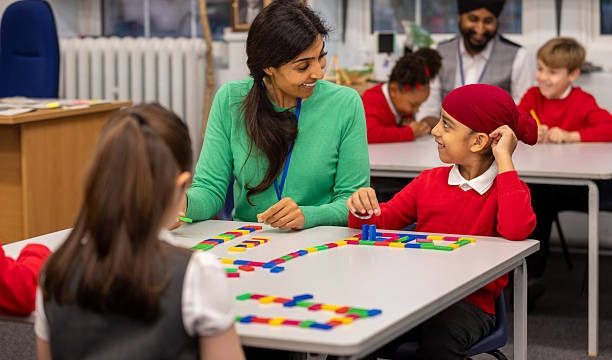
Consider the way children naturally gravitate towards play. From a young age, they explore their environment through games, learning essential life skills without even realizing it. This playful exploration fosters creativity and problem-solving abilities. When learning is infused with elements of play, it becomes more approachable and less intimidating. Children are more likely to take risks, make mistakes, and learn from them when they are wrapped up in the joy of the game.
As we grow older, the opportunities for playful learning can diminish, but that doesn’t mean they need to. Adult education can also benefit from game-based strategies. Incorporating gamification into professional development or training programs can create an atmosphere that encourages engagement and interaction. For instance, role-playing scenarios can enhance communication skills, while simulation games can provide practical experience in a risk-free environment. The key is to create a space where learning feels less like a chore and more like an adventure.
There’s something particularly special about collaborative games. They remind us of the importance of teamwork and communication. In an age where remote work and digital interactions are becoming the norm, the ability to collaborate effectively is more crucial than ever. Games that require teamwork not only teach valuable skills but also foster relationships. They create a shared experience that can strengthen bonds and build trust among participants.
A small shift toward balance can also be found in the way games encourage critical thinking. Many games require players to strategize, analyze situations, and make decisions based on available information. This kind of cognitive engagement is essential for developing analytical skills that can be applied in real-life situations. When we engage in games that challenge our intellect, we are not just having fun; we are also enhancing our ability to think critically and solve problems.
The role of technology in game-based learning cannot be overlooked. With the rise of educational apps and online platforms, learning has become more accessible than ever. These tools often incorporate elements like points, levels, and rewards, which can motivate learners to progress. Technology enables us to create immersive experiences that traditional methods cannot match. Virtual reality, for instance, can transport learners to different environments, allowing them to practice skills in a dynamic setting. This interactive approach can lead to deeper understanding and retention of information.
However, it’s important to remember that not all games are created equal. The effectiveness of game-based learning depends on the design and intent behind the game. Educational games should align with learning objectives, ensuring that players are not just having fun but also gaining valuable knowledge and skills. Thoughtfully designed games can provide immediate feedback, which is essential for growth and improvement. This feedback loop helps learners understand their progress and areas for development, reinforcing the learning process.
Incorporating games into learning environments also opens up avenues for inclusivity. Games can often bridge gaps between different learning styles and abilities. For example, visual learners may thrive in games that incorporate imagery and storytelling, while kinesthetic learners may benefit from hands-on activities. This adaptability makes games a versatile tool for educators looking to reach a diverse group of students.
As we explore the intersection of learning and play, we also discover the potential for lifelong learning. Games can spark a love for learning that extends far beyond formal education. They encourage curiosity and exploration, prompting individuals to seek out new knowledge and experiences. This intrinsic motivation is vital for personal and professional growth. When learning is associated with enjoyment, it becomes a lifelong pursuit rather than a temporary obligation.
In a world that sometimes feels overwhelming, the simplicity of games can bring a sense of joy and connection. They remind us that learning doesn’t have to be a solitary endeavor; it can be a shared experience filled with laughter, creativity, and camaraderie. Whether it’s through board games with friends, educational apps on our devices, or interactive workshops at work, the opportunities to learn through play are endless.
Ultimately, the goal is to create an environment where learning feels natural and enjoyable. By embracing the power of games, we can redefine the way we approach education, paving the way for more engaged, curious, and resilient learners. So, the next time you pick up a game—whether for fun or educational purposes—remember that you are not just playing; you are also unlocking new pathways for growth and discovery. In this harmonious blend of play and learning, we find a richer, more vibrant way to navigate the world.