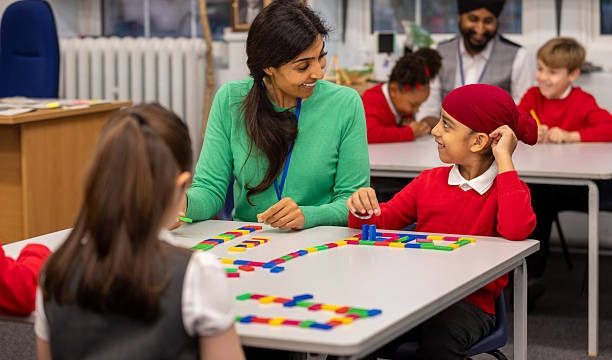
In the ever-evolving landscape of education, the role of teachers has expanded beyond traditional instruction.
Today, they are not only providers of knowledge but also catalysts for fostering independent learning.
This shift is essential in nurturing students who are not just consumers of information but active participants in their own educational journeys.
By encouraging independence, teachers empower students to take initiative, develop critical thinking skills, and cultivate a lifelong love for learning.
Creating a nurturing environment is one of the first steps teachers take to encourage independent learning. When students feel safe and supported in their classroom, they are more likely to explore ideas and express their thoughts without fear of judgment. This sense of security can be fostered through open communication, where teachers invite students to share their interests and perspectives. By acknowledging and valuing each student’s unique voice, teachers create a community where independent thinking can flourish.
Another significant aspect of encouraging independence is the incorporation of choice in the learning process. When students have the opportunity to select topics that resonate with them, they are more engaged and motivated to learn. Teachers can facilitate this by providing a range of options for projects, reading materials, and even methods of assessment. This approach not only nurtures autonomy but also allows students to develop a sense of ownership over their education. They learn to make decisions about their learning paths, which is a crucial skill that extends beyond the classroom.
As students embark on their independent learning journeys, teachers often guide them in setting personal goals. This practice instills a sense of purpose and direction. By teaching students how to identify their strengths and areas for improvement, teachers help them create realistic and achievable objectives. This process of goal-setting encourages self-reflection, enabling students to monitor their progress and celebrate their successes along the way. It’s a gentle reminder that learning is a personal journey, and each small step forward is a victory worth acknowledging.
Encouraging independent learning also involves teaching students how to access resources effectively. In our information-rich world, the ability to discern credible sources is invaluable. Teachers can introduce students to various research tools and methods, guiding them on how to evaluate the quality of information. This skill not only enhances academic performance but also fosters critical thinking. When students learn to question sources and seek out diverse perspectives, they become more informed and engaged citizens, ready to tackle the complexities of the world around them.
In addition to fostering critical thinking, teachers often promote collaboration among students as a means of enhancing independent learning. Group projects and peer discussions can provide a rich environment for students to share ideas and insights. While collaboration may seem counterintuitive to the concept of independence, it actually encourages students to learn from one another and develop their interpersonal skills. Teachers play a crucial role in facilitating these interactions, guiding students on how to communicate effectively and respect differing viewpoints. This collaborative spirit not only enriches the learning experience but also prepares students for future endeavors in both academic and professional settings.
A small shift toward balance is also essential when encouraging independent learning. Teachers recognize that while independence is important, so too is the need for support. Striking the right balance between guidance and autonomy is key. Teachers can provide scaffolding, offering assistance and resources when needed, while gradually stepping back as students gain confidence in their abilities. This gentle approach helps students develop resilience and problem-solving skills, allowing them to navigate challenges with increased self-assurance.
Feedback is another vital component of fostering independent learning. Constructive feedback encourages students to reflect on their work and consider areas for growth. Teachers can create a culture of feedback that emphasizes the learning process rather than just the end result. By celebrating effort and improvement, teachers can help students understand that mistakes are a natural part of learning. This perspective encourages a growth mindset, where students view challenges as opportunities to learn rather than obstacles to success.
Incorporating real-world connections into the curriculum is another way teachers can inspire independent learning. When students see the relevance of their studies to their lives and the world around them, they are more likely to engage deeply with the material. Teachers can invite guest speakers, organize field trips, or incorporate current events into discussions, helping students understand the practical applications of their knowledge. This approach not only enhances learning but also cultivates curiosity, encouraging students to explore beyond the confines of the classroom.
As technology continues to reshape education, teachers have a unique opportunity to leverage digital tools in promoting independent learning. By integrating educational technology, teachers can provide students with access to a wealth of resources and platforms for collaboration. Online forums, educational apps, and virtual learning environments can enhance students’ ability to learn at their own pace. However, it is essential for teachers to guide students in using these tools effectively, ensuring they are harnessed to foster independence rather than dependence.
Ultimately, the journey toward independent learning is a collaborative partnership between teachers and students. Through nurturing environments, opportunities for choice, goal-setting, resource access, collaboration, balanced support, constructive feedback, real-world connections, and the integration of technology, teachers play an instrumental role in shaping independent, confident learners.
As we celebrate the dedication of educators, it is essential to recognize their commitment to fostering a love for learning that extends far beyond the classroom walls. By encouraging independence, teachers not only equip students with the skills they need to succeed academically but also instill a sense of curiosity and resilience that will serve them well throughout their lives. In this shared journey, both teachers and students discover the joy of learning together, cultivating a spirit of exploration and discovery that lasts a lifetime.