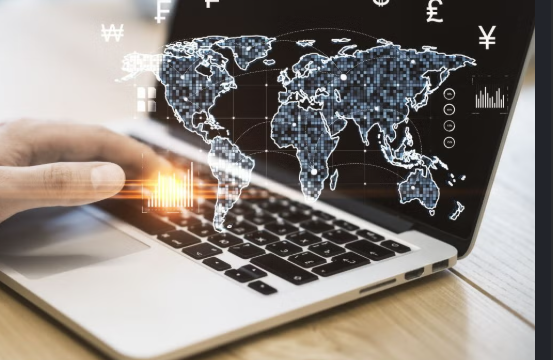
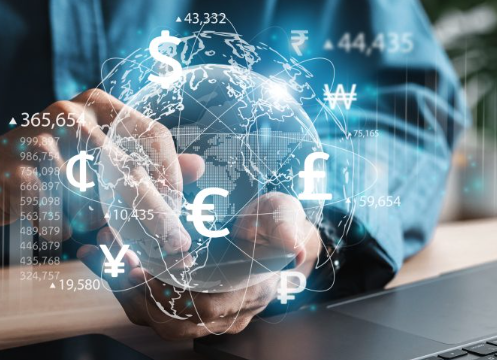
Digital payments have become a familiar part of everyday life.
From buying groceries with a smartphone to paying bills through a banking app, people can now move money without relying on cash as often as they once did.
As technology continues to develop, digital payments are expected to become even more convenient, connected, and widely available.
The future of digital payments is not simply about replacing physical money. It is about creating smoother ways for people and businesses to manage everyday transactions while improving convenience, security, and access. At the same time, consumers will need to understand how these systems work so they can make informed choices about their money.
A More Connected Payment Experience
One of the most noticeable changes in digital payments is the growing connection between financial services and everyday technology. Smartphones, smartwatches, online stores, banking applications, and other connected devices can already support payments in many markets.
In the future, these connections may become even more seamless. Instead of opening a separate payment application for every transaction, consumers may be able to authorize payments directly through services they already use. A transportation application, for example, can connect payment information to a ride, while an online shopping platform can complete checkout without requiring customers to enter their information repeatedly.
This convenience could save time and make routine transactions easier. However, convenience should always be balanced with careful attention to privacy and security.
The Continued Growth of Contactless Payments
Contactless payments are another important part of the digital payment landscape. Near-field communication technology allows compatible cards and devices to communicate with payment terminals over short distances. This makes it possible to pay by tapping a card, phone, or wearable device.
As contactless technology becomes more familiar, businesses may continue adopting payment terminals that support these methods. Consumers may also have more opportunities to use digital wallets and wearable devices for everyday purchases.
The appeal is straightforward. Contactless payments can make checkout faster while reducing the need to handle physical cash. For small businesses, digital payment systems can also simplify transaction records and reduce some of the practical challenges associated with managing cash.
Digital Wallets Becoming More Useful
Digital wallets have moved beyond simply storing payment card information. Many wallets can now hold loyalty cards, tickets, identification documents, and other digital credentials, depending on the country and service.
The future may bring further integration. Consumers could increasingly use one digital wallet to manage different aspects of their daily financial and commercial activities. This could create a more unified experience, particularly for people who regularly shop, travel, pay bills, and manage subscriptions online.
However, consumers should remember that digital wallets are tools rather than substitutes for responsible financial management. Keeping accounts secure, using strong authentication, and reviewing transactions regularly remain important habits.
Faster Transfers and Real-Time Payments
Another major development is the expansion of faster payment networks. Traditional bank transfers can sometimes take time to process, particularly when different financial institutions or countries are involved. Real-time payment systems are designed to make transfers available much more quickly.
For individuals, faster transfers can make it easier to send money to family members, pay businesses, or move funds between accounts. For businesses, quicker payments can improve cash-flow management and reduce waiting periods.
As more countries develop or expand instant payment infrastructure, consumers may become increasingly accustomed to money moving almost immediately. This could eventually change expectations around how quickly ordinary financial transactions should happen.
Artificial Intelligence and Payment Technology
Artificial intelligence is also likely to influence digital payments. Financial institutions and payment companies can use automated systems to identify unusual transaction patterns, improve customer support, and help detect potentially fraudulent activity.
For example, a payment system may recognize that a transaction differs significantly from a customer’s usual activity and request additional verification. Such systems can help organizations respond to suspicious activity more efficiently.
AI may also make financial applications more personalized. Digital services could provide spending summaries, reminders, or other information based on transaction history. Consumers should nevertheless understand that automated recommendations are not a replacement for personal financial judgment.
Stronger Focus on Payment Security
As digital payments become more common, security will remain one of the most important priorities. A convenient payment system is useful only when people can trust it.
Future payment technologies are likely to make greater use of security features such as biometric authentication, tokenization, encryption, device verification, and multi-factor authentication. These tools can reduce some risks associated with exposing payment information.
Consumers also have an important role to play. They should keep devices updated, use reputable financial applications, protect account credentials, and be cautious when receiving unexpected messages requesting payment information. Fraud attempts can take many forms, so awareness remains an important part of digital financial safety.
Greater Opportunities for Small Businesses
Digital payments can also affect the way small businesses operate. A local business may be able to accept payments through a smartphone or relatively simple payment terminal rather than investing in complicated infrastructure.
This can make it easier for small merchants to participate in the digital economy. Online payment systems can also support e-commerce, allowing businesses to reach customers beyond their immediate communities.
In the future, payment platforms may provide additional tools alongside transactions, including basic accounting features, sales information, invoicing, and payment records. These services could help entrepreneurs manage routine financial tasks more efficiently.
The Importance of Financial Inclusion
The future of digital payments should also consider people who have limited access to traditional financial services. Digital technology has the potential to make certain financial services more accessible, particularly where mobile connectivity is widespread.
However, digital payment adoption is not automatic. People may face barriers such as limited internet access, lack of suitable devices, unfamiliarity with financial technology, or concerns about fees and security.
For digital payments to benefit more people, financial education and accessible technology will be important. Clear information about fees, privacy, security, and account management can help consumers make better-informed decisions.
Digital Payments Across Borders
International payments are another area with significant room for development. Sending money across borders can involve multiple financial institutions, currency conversion, processing requirements, and fees.
Technology may help make international payments faster and more transparent. Improvements in payment infrastructure could give individuals and businesses better visibility into transaction costs and processing times.
Cross-border payments are likely to remain more complex than domestic transactions because countries have different financial regulations and systems. Even so, continued technological development could make international transactions easier to understand and manage.
What Consumers Can Expect
For everyday users, the future of digital payments will probably feel less like a dramatic change and more like a gradual improvement in familiar services. Payments may become faster, more integrated into digital platforms, and easier to complete across different devices.
At the same time, consumers should not assume that newer technology is automatically better for every situation. Comparing fees, understanding terms, protecting personal information, and choosing services from reputable providers will remain important.
Cash may also continue to have a role in many communities. Different payment methods serve different needs, and the transition toward digital payments does not necessarily mean that every person or business will stop using physical money.
Looking Ahead
The future of digital payments is likely to be shaped by a combination of convenience, security, connectivity, and consumer expectations. Digital wallets, contactless technology, real-time transfers, artificial intelligence, and improved payment infrastructure are all contributing to a financial environment where transactions can happen more quickly and smoothly.
For consumers, the most valuable approach is to embrace useful technology while remaining informed. Understanding how a payment service works, what information it collects, what fees may apply, and how transactions are protected can make digital finance easier to navigate.
Digital payments are becoming an increasingly important part of modern commerce, but technology is only one part of the story. Trust, accessibility, transparency, and responsible financial habits will help determine how successfully digital payments develop. As innovation continues, the goal should be a payment environment that is not only convenient, but also secure, understandable, and useful for people and businesses in everyday life.