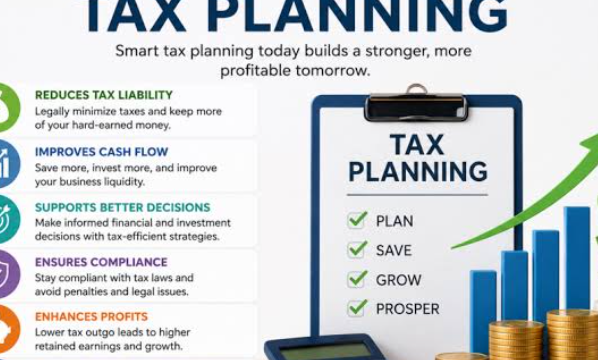
Taxes are a normal part of managing money, but they do not have to feel overwhelming.
For many people, tax planning becomes something they think about only when a tax deadline approaches.
A better approach is to make taxes part of your regular financial planning throughout the year.
With a few simple habits, you can keep better records, make informed financial decisions, and potentially improve how efficiently you manage your money.
Tax rules vary depending on where you live, your income, your family situation, and the types of financial activities you have. Because of these differences, tax planning should focus on understanding the rules that apply to your situation rather than relying on one strategy for everyone. When in doubt, a qualified tax professional can help you understand your responsibilities.
Understand Your Tax Situation
The first step toward better tax planning is knowing how your income and expenses affect your tax position. Start by keeping track of your main sources of income, including employment income, business income, investment income, or other taxable payments.
It can also be helpful to understand the difference between gross income and the amount that is actually subject to tax after applicable deductions, allowances, or exemptions. Knowing this distinction can make tax discussions much easier and help you make better financial decisions.
Rather than waiting until tax season to gather information, organize important financial documents throughout the year. Digital folders, spreadsheets, or financial software can make this process easier. Good organization can reduce stress and help prevent missed information when it is time to prepare a tax return.
Keep Accurate Financial Records
Record keeping is one of the simplest and most useful tax strategies. Save receipts, invoices, statements, donation records, business expenses, and other documents that may be relevant to your tax situation.
If you are self-employed or operate a small business, keeping personal and business finances separate can make financial management considerably easier. A dedicated business account and clear expense records can help you understand where money is going while making tax preparation more organized.
You should also keep records for the period required by the tax authority in your country. Rules about record retention differ, so check the applicable requirements rather than assuming that every document can be discarded after filing.
Plan for Tax Payments
Unexpected tax bills can put pressure on a household budget. One way to reduce that pressure is to plan for taxes before the payment is due.
If taxes are withheld automatically from your salary, review your situation periodically to make sure your withholding is generally aligned with your circumstances. If you receive income without automatic withholding, consider setting aside part of that income for future tax obligations.
A separate savings account can make this easier. Treating money reserved for taxes as unavailable for everyday spending can help prevent unpleasant surprises later.
Take Advantage of Available Tax Benefits
Many tax systems provide legitimate deductions, credits, allowances, or other incentives for certain activities. These may relate to retirement savings, education, charitable contributions, healthcare expenses, business costs, or other qualifying circumstances.
The important point is to understand the rules before making a financial decision solely because of a potential tax benefit. A deduction or credit should support an overall financial goal rather than encourage unnecessary spending.
For example, spending money simply to receive a tax deduction may not improve your financial position. Saving or investing for a meaningful long-term goal may be more valuable than making an expense just because it could have tax advantages.
Consider Retirement Planning
Retirement planning and tax planning often work well together. Depending on your country’s tax system and the accounts available to you, certain retirement contributions may receive favorable tax treatment.
Review the retirement options available to you and understand how contributions, investment growth, and future withdrawals may be treated for tax purposes. The most suitable option depends on factors such as your income, age, financial goals, and local tax rules.
The key is to think beyond the current tax year. A decision that reduces taxes today may have different consequences in the future, so consider the full life cycle of your retirement savings.
Think Before Selling Investments
Investment decisions can sometimes have tax consequences. Selling an investment may create a taxable gain or loss depending on the purchase price, sale price, holding period, and applicable local rules.
Before selling a significant investment, consider how the transaction could affect your overall tax position. This does not mean avoiding a sale simply because taxes may apply. An investment decision should primarily reflect your financial goals, risk tolerance, and overall investment plan.
However, understanding the possible tax impact can help you make the decision with fewer surprises.
Review Your Finances During the Year
Tax planning becomes easier when it is part of your regular financial routine. Consider reviewing your income, savings, investments, and major expenses several times during the year.
Life changes can also affect your tax situation. A new job, marriage, divorce, starting a business, purchasing property, moving to another location, or changes in family responsibilities may require a fresh review of your financial and tax planning.
Instead of waiting until the end of the year, use these moments as opportunities to check whether your financial plan still matches your circumstances.
Avoid Last-Minute Decisions
One common financial mistake is making rushed decisions near a tax deadline. Last-minute choices can lead to poor record keeping, unnecessary expenses, or missed opportunities to seek professional advice.
A simple calendar can help. Mark important filing and payment dates, then give yourself enough time to review documents and prepare. If your financial situation is complicated, consider speaking with a qualified professional before making major decisions.
Good planning does not necessarily require complicated strategies. Often, consistency and organization provide the greatest benefits.
Build Tax Planning Into Your Budget
Your budget should account for taxes as part of your overall financial picture. When you understand approximately how much of your income is available for spending, saving, and investing, you can set more realistic financial goals.
Consider reviewing your monthly cash flow and identifying whether taxes are already being handled through withholding or whether you need to reserve money separately. This approach can make your budget more predictable and reduce the temptation to treat future tax obligations as unexpected expenses.
Tax planning can also complement an emergency fund. Having accessible savings for unexpected costs, including potential tax obligations, can provide additional financial flexibility.
Know When to Ask for Professional Help
Simple tax planning can often begin with good organization and basic financial awareness, but some situations are more complicated. Multiple income sources, business ownership, property transactions, significant investments, or international financial activity may require professional guidance.
A qualified tax adviser can help explain applicable rules and identify questions you should consider. When working with a professional, choose someone appropriately qualified in your jurisdiction and provide complete and accurate information.
Professional advice is especially useful when a financial decision could have significant tax consequences. Paying for informed guidance can sometimes prevent costly mistakes.
Make Tax Planning a Long-Term Habit
Better tax planning is not about finding a secret way to eliminate taxes. It is about understanding your responsibilities, using legitimate opportunities available under the law, and making financial decisions with greater awareness.
Start with simple habits. Keep organized records, understand your income, plan for tax payments, review available tax benefits, and consider the tax consequences of major financial decisions. Then make tax planning part of your regular financial review.
The most effective strategy is one that fits comfortably into your broader financial plan. When taxes are considered alongside saving, investing, debt management, insurance, and long-term goals, money decisions become easier to evaluate.
Ultimately, good tax planning is about preparation. By staying organized and informed throughout the year, you can approach tax obligations with greater confidence and build a stronger foundation for your overall financial future. Always check current rules in your jurisdiction because tax laws can change, and consider professional advice when your circumstances require it.