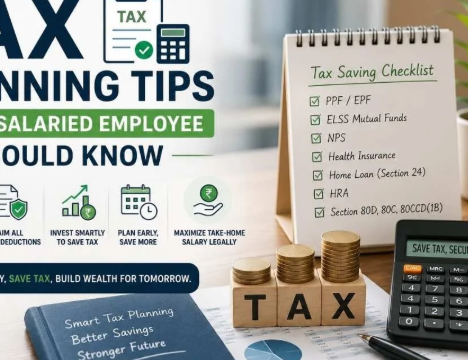
Tax planning does not have to be complicated.
For many people, the biggest challenge is simply knowing where to begin.
With a few practical habits, you can organize your finances, understand your tax responsibilities, and make more informed decisions throughout the year.
Good tax planning is not about finding shortcuts or avoiding responsibilities. It is about understanding the rules that apply to your situation and using legitimate opportunities available to you. When tax considerations become part of your regular financial routine, it can be easier to plan ahead and avoid unpleasant surprises.
Here are several simple strategies that can help make tax planning a more manageable part of your overall financial plan.
Understand Your Income and Expenses
A useful first step is knowing how much money comes in and where it goes. Keep clear records of employment income, freelance earnings, business revenue, investment income, and other sources that may be relevant to your tax situation.
At the same time, track expenses that may be deductible or otherwise relevant under the tax rules where you live. Keeping receipts, invoices, statements, and other supporting records in an organized system can save time when it is time to prepare your tax return.
You do not necessarily need an elaborate system. A spreadsheet, financial application, or well-organized folder can be enough for many households. The important thing is consistency.
Review Your Tax Position During the Year
Waiting until tax season to think about taxes can make financial planning more difficult. Instead, consider reviewing your situation periodically.
Changes such as a new job, a change in salary, additional freelance work, a new business, or a major life event can affect your tax position. A mid-year review gives you an opportunity to identify questions early and determine whether adjustments may be appropriate.
For example, if your income has changed significantly, you may want to check whether your current withholding or estimated tax payments remain appropriate. The correct approach depends on your circumstances and local tax requirements, so official tax guidance or professional advice can be useful.
Learn Which Tax Benefits May Apply
Many tax systems provide deductions, credits, allowances, exemptions, or other benefits for eligible taxpayers. However, these opportunities vary considerably by country and can change from year to year.
Rather than assuming that a particular tax benefit applies to everyone, take time to learn which rules are relevant to your circumstances. Government tax authorities are generally a good starting point for current information.
If a tax rule seems complicated, consider speaking with a qualified tax professional. A professional can help explain eligibility requirements and documentation rules without relying on guesswork.
The goal is not simply to reduce a tax bill. The better goal is to make decisions based on accurate information and understand the financial consequences before taking action.
Make Record-Keeping a Habit
Good records are one of the simplest ways to improve tax organization. Instead of searching through emails and paperwork at the last minute, create a routine for storing important financial documents.
You might organize records into categories such as income, work-related expenses, charitable contributions, education expenses, property-related documents, and investment records. Keep documents according to the retention requirements that apply in your jurisdiction.
Digital organization can also make the process easier. Scanning paper documents and using descriptive file names can help you locate information when needed.
Remember that documentation requirements differ depending on the type of income, expense, deduction, or tax benefit involved. When in doubt, check the applicable rules rather than relying on assumptions.
Consider Tax Implications Before Major Financial Decisions
Taxes are only one part of a financial decision, but they can be an important consideration.
Before making a major move involving employment, property, investments, retirement accounts, or a business, consider whether the decision could have tax consequences. A transaction that looks attractive at first may have fees, reporting requirements, or tax implications that deserve attention.
This does not mean taxes should control every decision. Instead, including tax considerations in the planning process can help you evaluate the bigger picture.
For significant decisions, obtaining advice from an appropriately qualified professional may be worthwhile. This is especially important when rules are complex or substantial amounts of money are involved.
Plan for Tax Payments
One common source of financial stress is an unexpected tax bill. If you are self-employed, work as an independent contractor, receive certain types of investment income, or have other income that is not fully covered by withholding, you may need to plan for tax payments yourself.
Setting aside money throughout the year can make a future payment easier to manage. The appropriate amount depends on your income, deductions, local tax rules, and other circumstances.
A separate savings account can sometimes make it easier to distinguish money reserved for taxes from money available for everyday spending. However, always check the specific payment and filing requirements that apply where you live.
Use Tax Planning as Part of a Bigger Financial Plan
Tax planning works best when it connects with other financial priorities. Building an emergency fund, managing debt responsibly, saving for long-term goals, and maintaining appropriate insurance can all be part of a broader financial strategy.
For example, choosing between two financial options based solely on their potential tax treatment may overlook other important factors such as fees, flexibility, risk, and your personal goals.
A balanced approach considers taxes alongside the rest of your financial picture.
Avoid Last-Minute Decisions
Tax deadlines can create pressure, and pressure can lead to rushed decisions. A better approach is to review your finances well before filing deadlines.
Start by gathering documents, checking income records, reviewing potentially relevant expenses, and identifying questions you may need answered. If you work with a tax professional, providing information early can also give them more time to review your situation.
Planning ahead does not guarantee a particular tax outcome, but it can make the process more organized and reduce avoidable mistakes.
Keep Your Strategy Simple
Effective tax planning does not have to involve complicated financial arrangements. In many cases, the most useful habits are straightforward: keep accurate records, understand the rules, review your finances regularly, plan for payments, and seek qualified help when necessary.
Tax laws can change, and the rules differ between countries and individual circumstances. Information that applies to one taxpayer may not apply to another. For that reason, use current official guidance when making tax decisions and consider professional advice for situations that require personalized analysis.
Ultimately, better tax planning is about preparation. When you understand your income, organize your records, and consider tax implications as part of everyday financial planning, you can approach tax season with greater confidence and a clearer view of your overall finances.
Small improvements made throughout the year can make financial organization much easier. Rather than waiting for tax season to begin thinking about taxes, make tax awareness a regular part of your financial routine. It is a simple step that can support more thoughtful and organized financial planning over time.