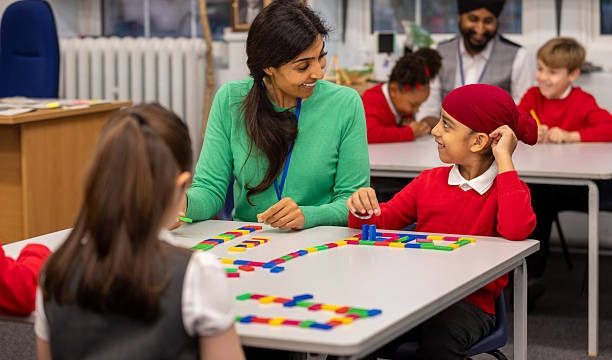
In an increasingly interconnected world, the concept of education is evolving into something more inclusive and accessible than ever before.
Virtual classrooms are at the forefront of this transformation, offering opportunities that transcend geographical boundaries and bring diverse cultures together in the pursuit of knowledge.
Imagine a space where a student in a remote village can learn alongside peers from bustling cities around the globe.
This is not merely a dream; it’s the reality that virtual classrooms are creating.
A new era of learning
The rise of virtual classrooms marks a significant shift in how we perceive education. Traditionally, access to quality education was often limited by factors such as location, socioeconomic status, and institutional barriers. However, with the advent of technology, these obstacles are gradually being dismantled. Virtual classrooms enable learners to engage in rich educational experiences from the comfort of their homes, breaking down the walls that once confined them.
This new era of learning encourages a sense of community and collaboration. Students can connect with instructors and classmates from different backgrounds, gaining insights that enrich their understanding of various subjects. The diversity of perspectives fosters critical thinking and creativity, essential skills in today’s globalized society.
Creating connections across borders
One of the most beautiful aspects of virtual classrooms is their ability to create connections that span continents. A student in Kenya can participate in a discussion with peers in Brazil, while a teacher in Canada can share resources with learners in India. These interactions not only enhance learning but also cultivate empathy and understanding among individuals from different cultures.
Through virtual platforms, students are exposed to a variety of teaching styles and educational philosophies. This exposure broadens their horizons, encouraging them to think beyond their immediate environment. The friendships formed in these digital spaces often transcend the classroom, fostering a global network of learners who support and inspire each other.
Flexibility for diverse needs
Virtual classrooms offer unparalleled flexibility, allowing students to tailor their educational experiences to fit their unique lifestyles. Whether a learner is juggling work, family commitments, or personal interests, online education provides the opportunity to engage with coursework at their own pace. This adaptability can significantly reduce stress, making the learning process more enjoyable and fulfilling.
Moreover, virtual classrooms often employ a variety of multimedia resources, catering to different learning styles. From videos and interactive simulations to discussions and written assignments, students can engage with content that resonates with them personally. This personalized approach not only enhances retention but also fosters a genuine love for learning.
Bridging the digital divide
While the potential of virtual classrooms is immense, it is essential to acknowledge the challenges that remain in achieving equitable access to education. The digital divide—disparities in access to technology and the internet—poses a significant barrier for many learners. Efforts are being made globally to address these issues, with initiatives aimed at providing devices and internet access to underserved communities.
By bridging this divide, we can ensure that the benefits of virtual classrooms are felt by all. Governments, organizations, and educators must work together to create infrastructure that supports inclusive education. This commitment to accessibility is vital in realizing the full potential of virtual learning environments.
A small shift toward balance
As we embrace the opportunities presented by virtual classrooms, it is important to strike a balance between online and offline interactions. While technology offers incredible resources, the human element of education remains irreplaceable. Face-to-face interactions, whether in a traditional classroom or community setting, foster relationships and connections that technology alone cannot provide.
Encouraging learners to engage in both virtual and in-person experiences can lead to a more holistic educational journey. This blend of learning environments allows students to develop essential social skills while benefiting from the flexibility and diversity that online education offers.
The future of education
Looking ahead, the future of education seems bright with the continued growth of virtual classrooms. As technology advances and more individuals gain access to the internet, we can expect to see even greater innovation in how education is delivered. Virtual reality, artificial intelligence, and other emerging technologies may soon play a role in creating immersive learning experiences that further enhance global education access.
Moreover, as educational institutions adapt to these changes, they will likely embrace hybrid models that combine the best of both worlds. This evolution will empower learners to choose how and where they learn, fostering a sense of agency that is crucial for personal and academic growth.
In this ever-changing landscape, the potential for virtual classrooms to reshape education is boundless. By embracing these changes, we can create a more inclusive, equitable, and enriching educational experience for all learners, regardless of their background or location.
As we navigate this journey together, let us celebrate the connections we forge and the knowledge we share. The world is a vast tapestry of ideas and experiences, and virtual classrooms are weaving us closer together, one lesson at a time. In this global village, education becomes not just a privilege, but a shared responsibility, paving the way for a brighter, more informed future for everyone.